How Can Office Renovations Be Divided Into Small Phases to Reduce Work Disruptions in Omaha NE?
Office renovations can improve employee comfort, create a more professional environment, and make better use of available workspace. However, renovating an office while employees continue working can be challenging. Noise, dust, blocked walkways, and temporary changes to meeting rooms may affect daily operations. For businesses that cannot afford to close their doors during construction, dividing the project into smaller phases can be a practical solution.
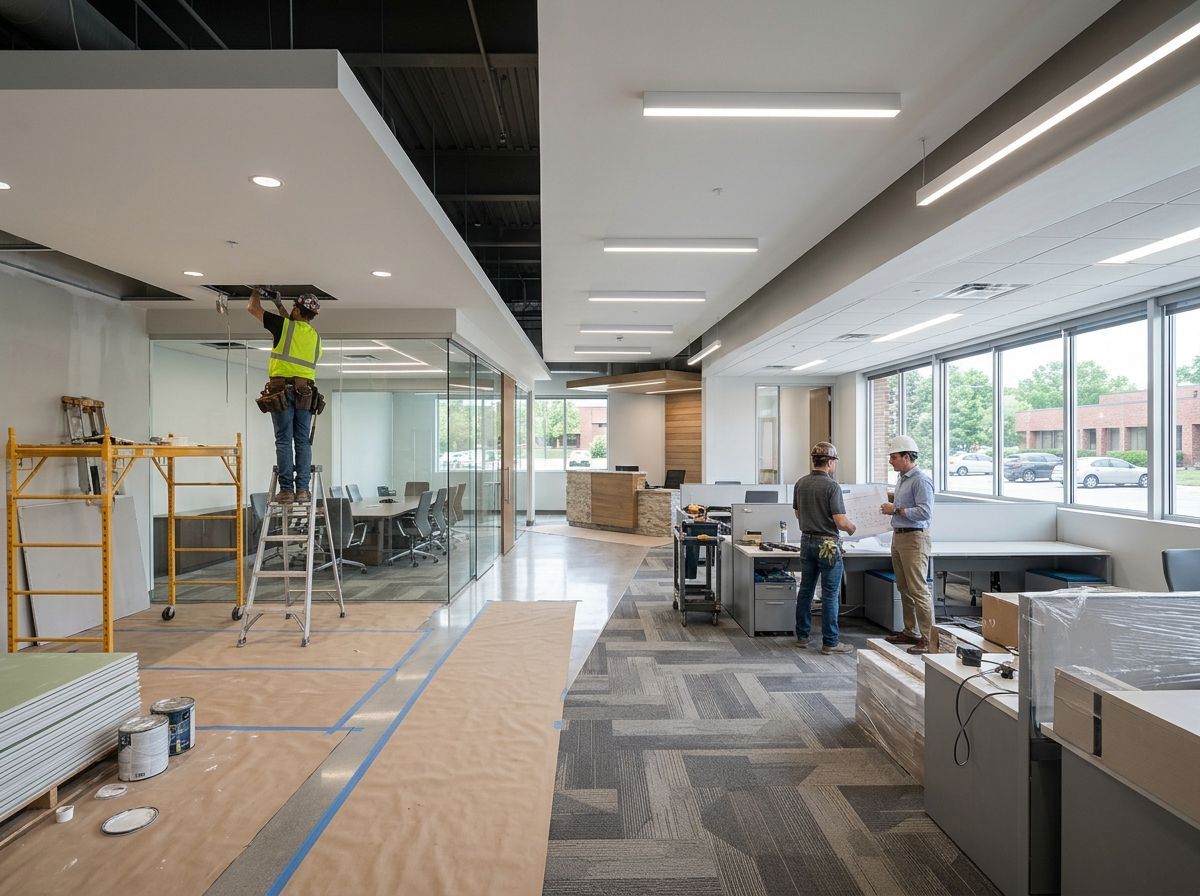
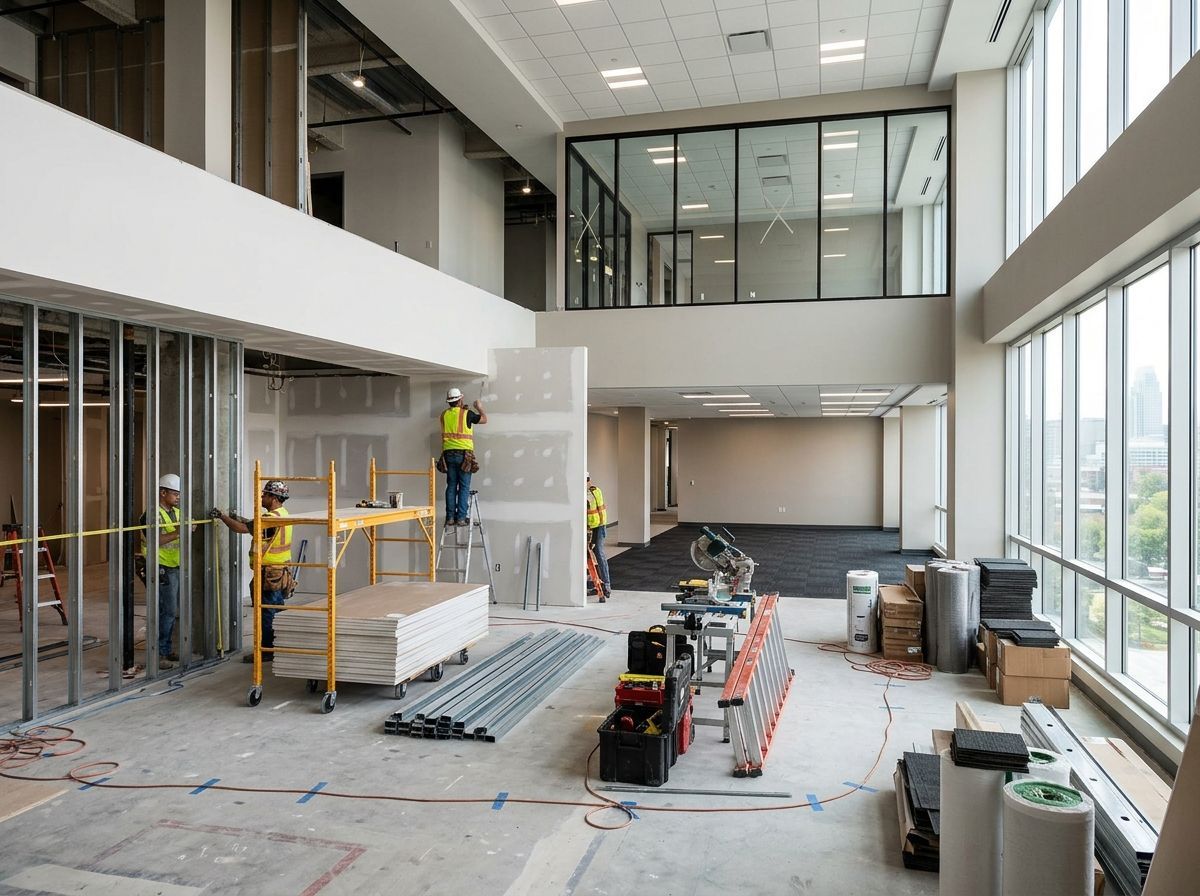
Working with a tenant improvement contractor for occupied offices Omaha NE businesses can rely on helps organizations plan renovation activities around their regular schedules. Instead of renovating the entire workplace at once, contractors can divide the project into manageable sections, allowing employees to continue working in areas that remain safe and accessible.
Whether a business needs updated meeting rooms, improved employee workstations, a more functional reception area, or a complete interior upgrade, phased construction can help control disruptions. Understanding how this approach works makes it easier to plan a renovation that supports both business operations and long-term workplace improvements.
Why Are Phased Office Renovations Important for Businesses in Omaha NE?
A traditional renovation may require several departments to relocate simultaneously or temporarily stop working in affected areas. This can create unnecessary challenges for businesses that depend on customer appointments, employee collaboration, and uninterrupted access to equipment.
Phased renovation divides the project into smaller work zones or stages. Each stage has its own schedule, construction activities, safety requirements, and completion goals.
For example, a company might renovate its reception area first, move to the conference rooms next, and finish with employee workstations. This sequence allows the business to keep unaffected areas operational while construction progresses.
A tenant improvement contractor for occupied offices Omaha NE companies choose should understand the importance of coordinating construction with business activities. Proper scheduling, clear communication, and careful preparation help reduce avoidable interruptions.
The main benefits of phased renovations include:
- Keeping essential business departments operational whenever practical.
- Reducing the number of employees affected by construction at one time.
- Maintaining safer access to work areas and building entrances.
- Making it easier to identify and resolve unexpected construction issues.
- Allowing employees to prepare for temporary workspace changes.
- Helping business owners monitor progress at each stage.
Although phased construction may require additional coordination, it can provide greater flexibility for businesses that need to remain operational throughout the renovation.
1. Divide the Office Renovation Project Into Clearly Defined Work Zones
The first step is to determine which parts of the office need renovation and how those areas connect to daily business activities.
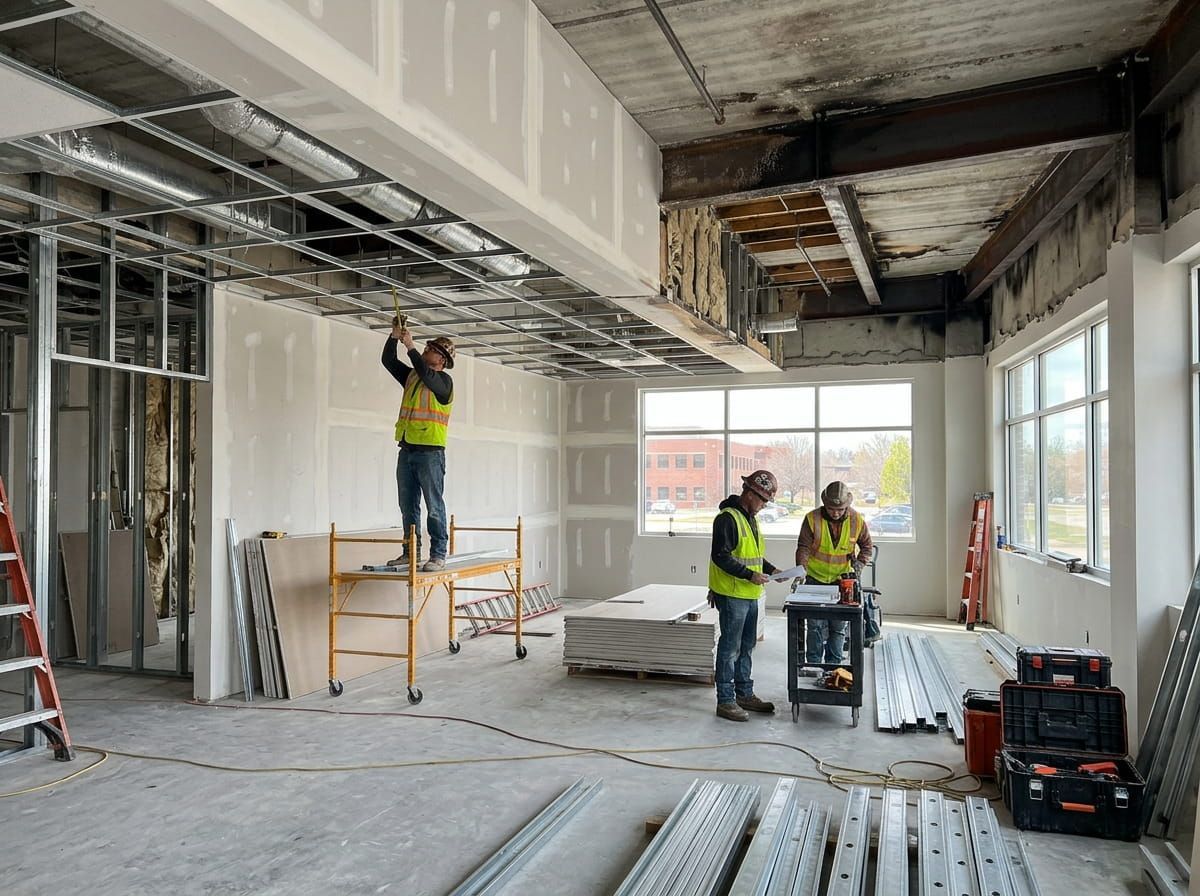
A contractor can inspect the existing layout, identify high-traffic areas, and determine which rooms can be temporarily closed without preventing employees from performing essential tasks.
For example, an office may contain a reception area, several private offices, a conference room, employee workstations, and a shared breakroom. Rather than renovating every area together, the project can be divided into separate work zones.
How Can Work Zones Reduce Office Disruptions in Omaha NE?
A practical sequence might include:
Phase One: Reception and Entrance Area
The entrance and reception area may be renovated first or last, depending on customer traffic and the availability of an alternative entrance. Temporary signs and a clearly marked route can help visitors find their way around the construction zone.
Phase Two: Conference Rooms and Meeting Spaces
Meeting rooms can be scheduled for renovation when fewer meetings take place. Businesses may temporarily use an available office, a designated collaboration space, or virtual meeting arrangements.
Phase Three: Employee Workstations
Employees can move to a temporary work area while their permanent workstations receive new flooring, lighting, paint, or other improvements.
Phase Four: Private Offices and Support Areas
Private offices, storage areas, and other spaces can be completed after the most essential shared areas are ready for use.
The exact sequence depends on the office layout, construction requirements, employee numbers, and available temporary spaces.
A qualified tenant improvement contractor for occupied offices Omaha NE businesses hire can help determine which work zones should be completed first and which areas must remain accessible.
2. Schedule Office Renovations Around Normal Business Hours
Construction timing plays an important role in reducing workplace interruptions. Some activities may be completed during normal working hours, while noisy or disruptive tasks may be better scheduled for evenings, weekends, or planned business closures.
For example, painting a vacant private office may cause minimal disruption if the area is properly isolated. However, drilling, demolition, flooring removal, or work near a busy reception desk may interfere with phone calls and customer meetings.
Businesses should discuss the timing of disruptive tasks before construction begins.
Which Renovation Activities Should Be Scheduled After Hours in Omaha NE?
Depending on the project, the contractor may recommend scheduling the following activities outside regular business hours:
- Demolition and removal of existing materials.
- Drilling, cutting, and other particularly noisy tasks.
- Flooring removal and installation in busy walkways.
- Work that temporarily interrupts electrical service.
- Activities that produce significant dust or strong odors.
- Construction near entrances or frequently used meeting rooms.
Not every task needs to take place after hours. Scheduling all construction outside normal business hours may increase costs or extend the project timeline. Instead, businesses should identify the activities most likely to affect employees and customers.
Professional Office renovation services Omaha NE businesses need should include realistic scheduling, advance notice, and coordination between the construction team and office management.
The goal is to minimize unnecessary disruption without compromising workmanship, safety, or project quality.
3. Create a Temporary Workspace Before Construction Starts
One of the biggest mistakes businesses make is beginning renovation work before deciding where affected employees will work.
Without a temporary workspace plan, employees may struggle to access computers, documents, equipment, and essential office resources. This can create more disruption than the construction itself.
Before the first phase begins, management should identify suitable temporary workstations and determine which employees need to relocate.
How Can Businesses Maintain Productivity During Office Renovation in Omaha NE?
A temporary workspace plan should address several practical considerations.
Employee seating: Determine where employees will sit while their usual work areas are under construction.
Technology access: Confirm that computers, internet connections, printers, and other necessary equipment will remain available.
Department coordination: Keep teams that frequently collaborate close enough to communicate effectively whenever possible.
Customer access: Make sure clients and visitors can reach the correct employees without entering restricted construction areas.
Storage and documents: Move sensitive records, supplies, and equipment to secure locations before construction starts.
For smaller offices, employees may be able to rotate between available workstations. Larger businesses might use conference rooms or underused sections of the building as temporary work areas.
A tenant improvement contractor for occupied offices Omaha NE businesses work with can help coordinate construction boundaries and temporary access requirements. Business management should handle employee assignments and internal communication alongside the contractor's construction planning.
4. Protect Employees From Dust, Noise, and Construction Hazards
An occupied office requires more than a construction schedule. The renovation plan must also account for employee safety, building access, and the separation of active work areas from occupied spaces.
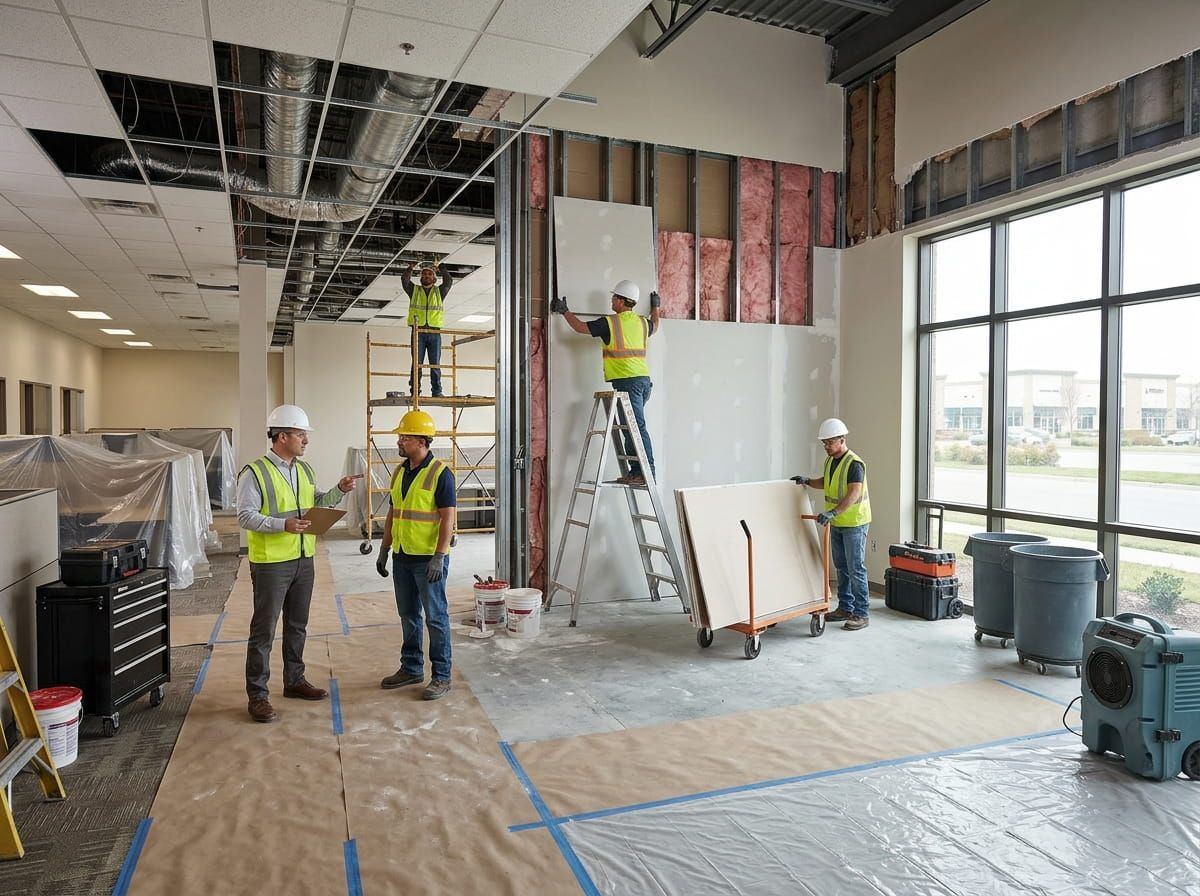
Construction dust can spread through open doors, shared corridors, and ventilation systems. Noise may affect concentration, while exposed wiring, tools, and building materials can create hazards if work areas are not properly controlled.
Before renovation begins, the contractor and building management should determine how construction zones will be separated from employees and visitors.
What Safety Measures Help During Occupied Office Renovation in Omaha NE?
Useful precautions may include:
- Installing suitable temporary barriers around active work areas.
- Marking restricted areas with clear warning signs.
- Maintaining safe, unobstructed exit routes.
- Protecting floors and surfaces along material transport routes.
- Coordinating electrical, plumbing, or other service interruptions in advance.
- Using appropriate dust-control and ventilation measures.
- Keeping tools and construction materials away from public walkways.
- Communicating any temporary access restrictions to employees.
Additional precautions may be necessary when renovations involve hazardous building materials, major mechanical systems, or work that affects fire protection equipment.
A professional Occupied office renovation Omaha NE project should be planned around the building's safety requirements and the needs of people who continue working inside it.
Businesses should also understand that some activities cannot safely proceed while adjacent areas remain occupied. In those situations, temporary relocation or a short shutdown of the affected area may be necessary.
5. Prioritize Renovation Tasks That Have the Greatest Business Impact
Not every renovation task has the same level of urgency. Some improvements directly affect employee productivity, customer experience, or essential building functions, while others are mainly cosmetic.
Prioritizing the work helps businesses decide which phases should happen first.
For example, an office with inadequate lighting, damaged flooring, or an inefficient reception layout may benefit from addressing those issues before completing decorative upgrades.
How Should Businesses Prioritize Commercial Interior Remodeling in Omaha NE?
A useful approach is to group renovation needs into three categories.
Essential Improvements
These include repairs that address safety concerns, accessibility issues, deteriorating materials, or building systems that require attention.
Operational Improvements
These may include better workstation layouts, additional meeting spaces, improved lighting, and more practical storage arrangements.
Appearance and Comfort Improvements
These can include updated paint colors, decorative finishes, reception upgrades, and other visual enhancements.
This classification helps business owners make informed decisions when planning the construction sequence.
A reliable Commercial office renovation contractor Omaha NE businesses select can help evaluate the relationship between project priorities, construction dependencies, and operational requirements.
For example, electrical work may need to be completed before new walls or finished surfaces are installed. Flooring may need to be finished before furniture is moved into a renovated room.
Planning these dependencies carefully reduces the risk of rework and unnecessary interruptions.
6. Coordinate Communication Between Employees, Management, and Contractors
Even a well-designed renovation plan can create frustration if employees do not know what to expect.
People need advance notice about temporary room closures, changes to walking routes, equipment relocation, and periods when noise may affect their work.
Management should establish a clear communication process before the first construction phase begins.
What Should an Office Renovation Communication Plan Include in Omaha NE?
A practical communication plan should explain:
- Which area will be renovated first.
- When work in each area is expected to begin and finish.
- Which entrances, hallways, and meeting rooms will be affected.
- Where employees should work during each phase.
- Whether internet, electricity, or other services may be interrupted.
- Whom employees should contact if they encounter a problem.
- How schedule changes and unexpected delays will be communicated.
Weekly updates can help employees understand what has been completed and what comes next.
For larger projects, a designated contact person from the business can coordinate with the contractor. This prevents employees from receiving conflicting instructions from different people.
An experienced tenant improvement contractor for occupied offices Omaha NE organizations engage should provide clear project updates and explain changes that could affect business operations.
Good communication does not eliminate every inconvenience, but it helps employees prepare and reduces confusion during construction.
7. Use Smaller Construction Milestones to Track Progress
Breaking a renovation into phases also makes it easier to measure progress. Instead of waiting until the entire office is finished, businesses can review each completed section before moving to the next stage.
For example, a completed phase may require confirmation that flooring is properly installed, lighting is functional, doors operate correctly, and the space is clean and ready for its intended use.
This process also gives management an opportunity to identify problems before they affect other areas of the office.
How Can Project Milestones Improve Office Renovation Planning in Omaha NE?
Each phase should have clearly defined completion criteria.
These may include:
- Finishing the planned construction activities.
- Inspecting the work for quality and completeness.
- Resolving identified defects before handover.
- Confirming that required building systems are operating properly.
- Cleaning the area and removing construction debris.
- Checking that approved access routes remain available.
- Preparing the area for employees to return.
Depending on the work involved, inspections, permits, and specialist approvals may be necessary before an area can be occupied.
A dependable Office remodeling contractor Omaha NE businesses choose should explain what must be completed before each renovated section can safely return to normal use.
The next phase should begin only when the relevant areas are ready and the transition will not create avoidable operational problems.
8. Plan for Unexpected Delays Without Disrupting the Entire Office
Renovation projects can encounter unexpected conditions after work begins. Contractors may discover damaged materials, outdated wiring, hidden moisture, or other problems that were not visible during the initial inspection.
Material delivery delays and changes to building requirements can also affect the construction schedule.
A phased renovation makes it easier to isolate certain issues, but only if the original plan includes flexibility.
How Can Businesses Prepare for Renovation Delays in Omaha NE?
Businesses can reduce the effects of unexpected problems by taking several precautions.
Build flexibility into the schedule. Avoid planning every phase so tightly that a small delay affects the entire project.
Identify alternative work areas. Keep a backup location available if a department cannot return to its usual workspace on time.
Confirm material availability. Discuss product lead times and important delivery dates before construction begins.
Document changes. Record approved changes to the work, schedule, or project requirements so that everyone understands the updated plan.
Communicate early. Inform affected employees when a delay changes their workspace arrangements or access to office facilities.
A Commercial construction company Omaha NE businesses consider for an office project should explain how unexpected conditions will be assessed and communicated.
Businesses should also distinguish between urgent repairs and optional upgrades. If an unforeseen issue affects safety or essential building systems, resolving it may take priority over completing cosmetic improvements.
9. Consider How Commercial Tenant Improvements Affect Future Office Use
A renovation should address current problems without creating new difficulties for the business later.
For example, adding more workstations without improving circulation may make an office feel crowded. Renovating a conference room without considering technology requirements could limit its usefulness.
Phased planning provides an opportunity to review the office layout and make decisions that support future operations.
What Should Businesses Consider Before Commercial Tenant Improvements in Omaha NE?
Before approving each phase, businesses should consider:
Changing staffing needs: Will the office need additional workstations or private meeting areas in the future?
Technology requirements: Does the proposed layout provide suitable access to power, data connections, and meeting equipment?
Accessibility: Can employees and visitors move through the renovated space safely and conveniently?
Storage requirements: Will the new layout provide enough room for supplies, equipment, and records?
Maintenance: Are the selected materials suitable for the amount of daily use the area receives?
Building restrictions: Do proposed changes comply with applicable building requirements, lease conditions, and property management rules?
These questions help businesses avoid making short-term improvements that do not support their longer-term needs.
A knowledgeable Commercial interior remodeling Omaha NE specialist can help coordinate design decisions with construction requirements, while business owners remain responsible for identifying their operational priorities.
10. Choose a Contractor Who Understands Occupied Office Environments
Renovating a vacant building is different from renovating an office where employees and customers continue to arrive every day.
Occupied projects require coordination between construction activities and the practical needs of an operating business. The contractor must consider access, noise, cleanliness, work sequencing, and communication throughout the project.
When evaluating contractors, business owners should ask about their approach to phased scheduling, site protection, temporary barriers, and coordinating work around occupied spaces.
What Should Businesses Ask an Office Renovation Contractor in Omaha NE?
Consider asking these questions before choosing a contractor:
- Have you managed renovation projects in offices that remained open during construction?
- How do you separate construction zones from occupied work areas?
- How will you coordinate noisy tasks and service interruptions?
- Who will communicate schedule changes to the business?
- How will each phase be inspected before the area is reopened?
- What happens if hidden damage or another unexpected issue is discovered?
- Which permits, inspections, or specialist services may be required?
Businesses may also want to review relevant project examples, references, insurance information, and the contractor's proposed scope of work.
When comparing a Commercial interior renovation service provider with other options, look beyond the proposed appearance of the finished office. The ability to coordinate the work with everyday business operations is equally important.
Just Right Construction can be contacted to discuss renovation needs and determine an appropriate approach for a particular office project.
How Just Right Construction Can Help With Office Renovation Planning in Omaha NE
Planning an office renovation involves balancing improvements with the practical needs of employees, customers, and business operations.
A carefully organized project can help businesses update their interiors while keeping disruption manageable. The right sequence depends on the existing layout, the condition of the building, the work required, and the amount of space that must remain operational.
Just Right Construction is a business to contact when exploring construction and renovation options for an office improvement project.
Businesses considering Office space renovation Omaha NE can start by identifying the areas that need attention, documenting their operational requirements, and discussing whether the work can be divided into smaller phases.
A suitable renovation plan should identify construction zones, temporary workspaces, access arrangements, scheduling requirements, and completion milestones. It should also explain how the contractor and business will respond if unexpected conditions affect the original plan.
For companies that need to keep employees productive throughout construction, working with a tenant improvement contractor for occupied offices Omaha NE businesses can consult about their project may help make the renovation process more organized.
To discuss your project requirements, contact Just Right Construction.
Business Name: Just Right Construction
Phone Number: +1 402-671-3094
Address: Not provided (N/A)
Frequently Asked Questions About Phased Office Renovations in Omaha NE
1. What Is a Phased Office Renovation?
A phased office renovation divides a larger construction project into smaller stages. Each stage focuses on a specific room, department, or work area, allowing other parts of the office to remain operational when conditions permit.
2. How Can Businesses Reduce Work Disruptions During Office Renovations in Omaha NE?
Businesses can reduce disruptions by establishing construction zones, scheduling noisy activities carefully, preparing temporary workspaces, maintaining safe access routes, and communicating changes to employees in advance.
3. Why Hire a Tenant Improvement Contractor for Occupied Offices Omaha NE?
A contractor experienced in occupied office projects can help plan construction around daily operations, coordinate work zones, manage access arrangements, and communicate scheduling requirements. The appropriate contractor should be selected based on the project's scope and relevant experience.
4. Can an Office Remain Open During a Renovation?
Yes, an office may remain open if the project can be safely separated into work zones and essential services remain available. However, certain activities may require temporary relocation or closure of affected areas.
5. Which Office Areas Should Be Renovated First?
The best starting point depends on the office layout, safety requirements, business priorities, and construction dependencies. Some projects begin with less frequently used rooms, while others prioritize urgent repairs or areas that affect essential operations.
6. Should Office Renovations Be Scheduled After Business Hours?
Noisy, dusty, or disruptive tasks may be better scheduled outside regular business hours. Other activities can often occur during the day if suitable safety measures and work-area separation are in place.
7. How Do Temporary Workspaces Help During Office Remodeling?
Temporary workspaces allow employees to continue working while their usual areas are under construction. Planning these spaces in advance helps maintain access to equipment, technology, documents, and team members.
8. What Safety Measures Are Important During Occupied Office Renovation Omaha NE Projects?
Important measures include separating work zones, controlling dust, maintaining safe exits, securing tools and materials, posting warning signs, and coordinating interruptions to essential building systems.
9. How Can Businesses Track Progress During a Phased Renovation?
Businesses can track progress through scheduled updates, milestone reviews, inspections, and documented completion criteria. Each phase should be checked before the renovated area returns to normal use.
10. What Should Businesses Discuss Before Hiring a Commercial Office Renovation Contractor Omaha NE?
Businesses should discuss project scope, scheduling, construction phases, safety procedures, temporary workspace requirements, communication methods, permits, inspections, and how unexpected conditions will be handled.
Conclusion
Dividing an office renovation into smaller phases can help Omaha businesses maintain daily operations while improving their workspaces. By organizing construction zones, planning temporary work areas, scheduling disruptive activities carefully, and reviewing each completed stage, businesses can reduce unnecessary interruptions.
The most effective approach begins with a realistic assessment of the office layout and the needs of employees and customers. Clear communication between management and the contractor is essential throughout the project.
For businesses considering office improvements, Just Right Construction can be contacted at +1 402-671-3094 to discuss renovation requirements and explore suitable next steps.