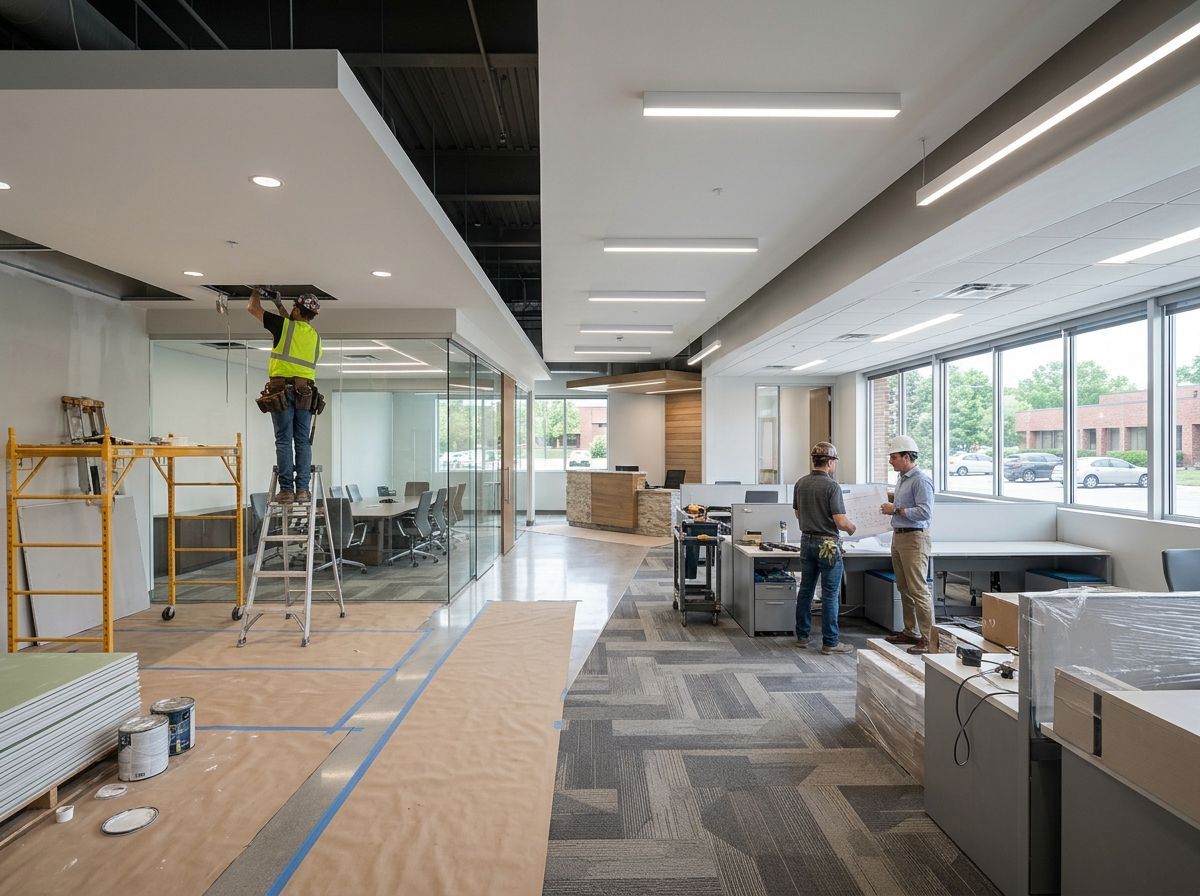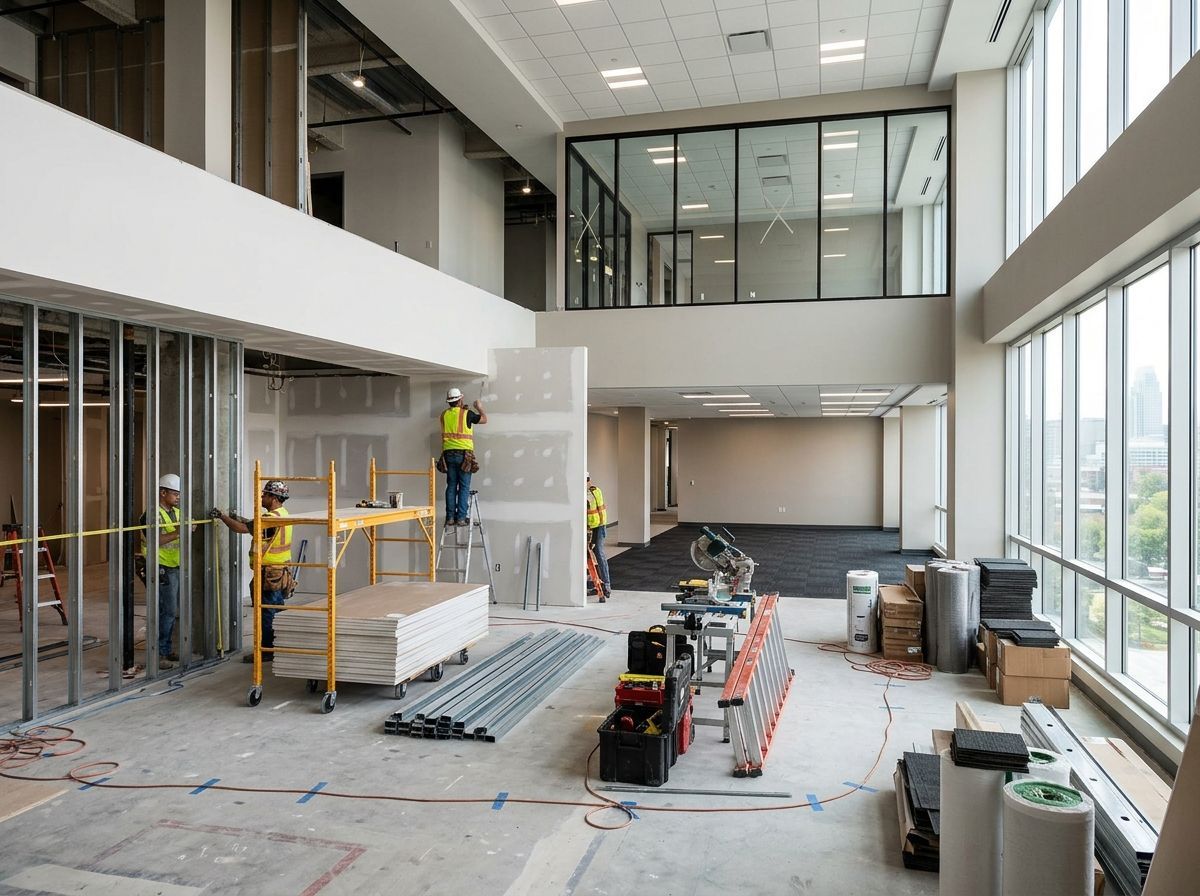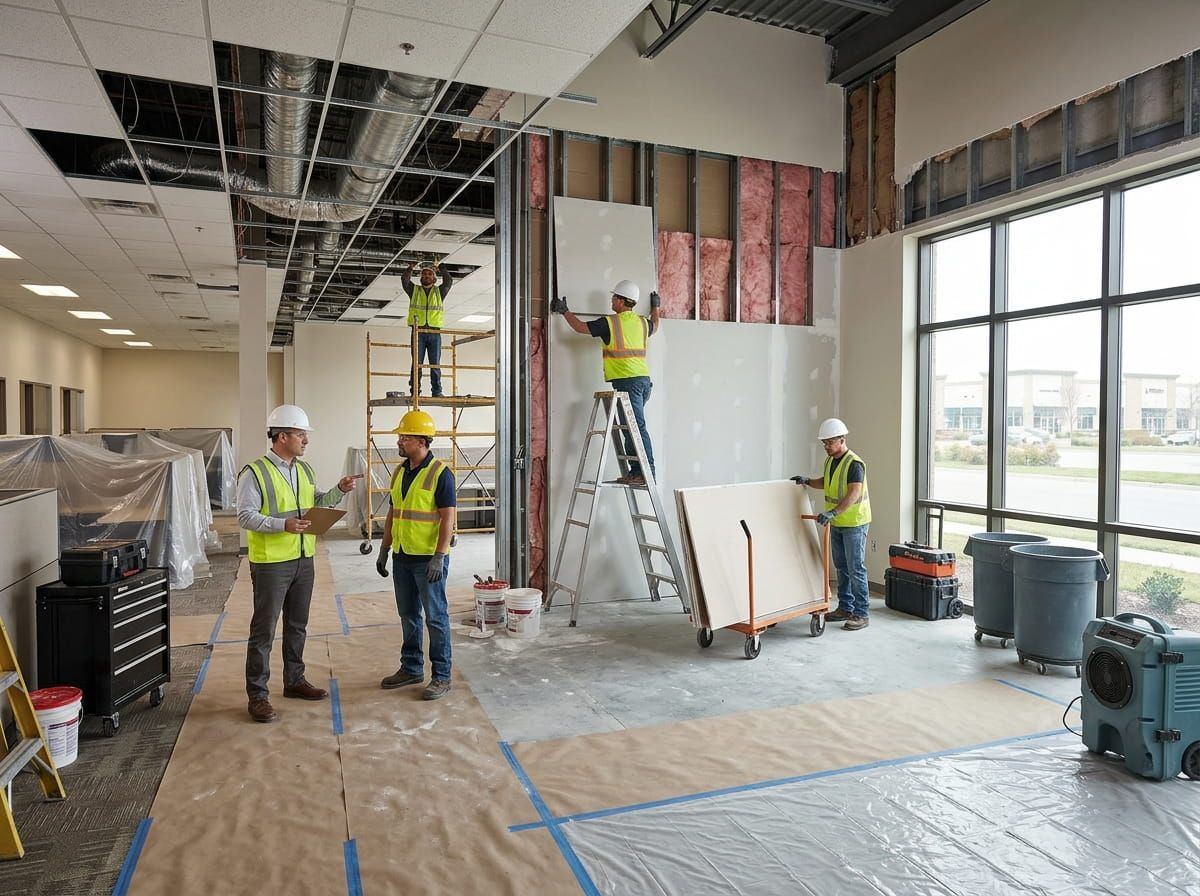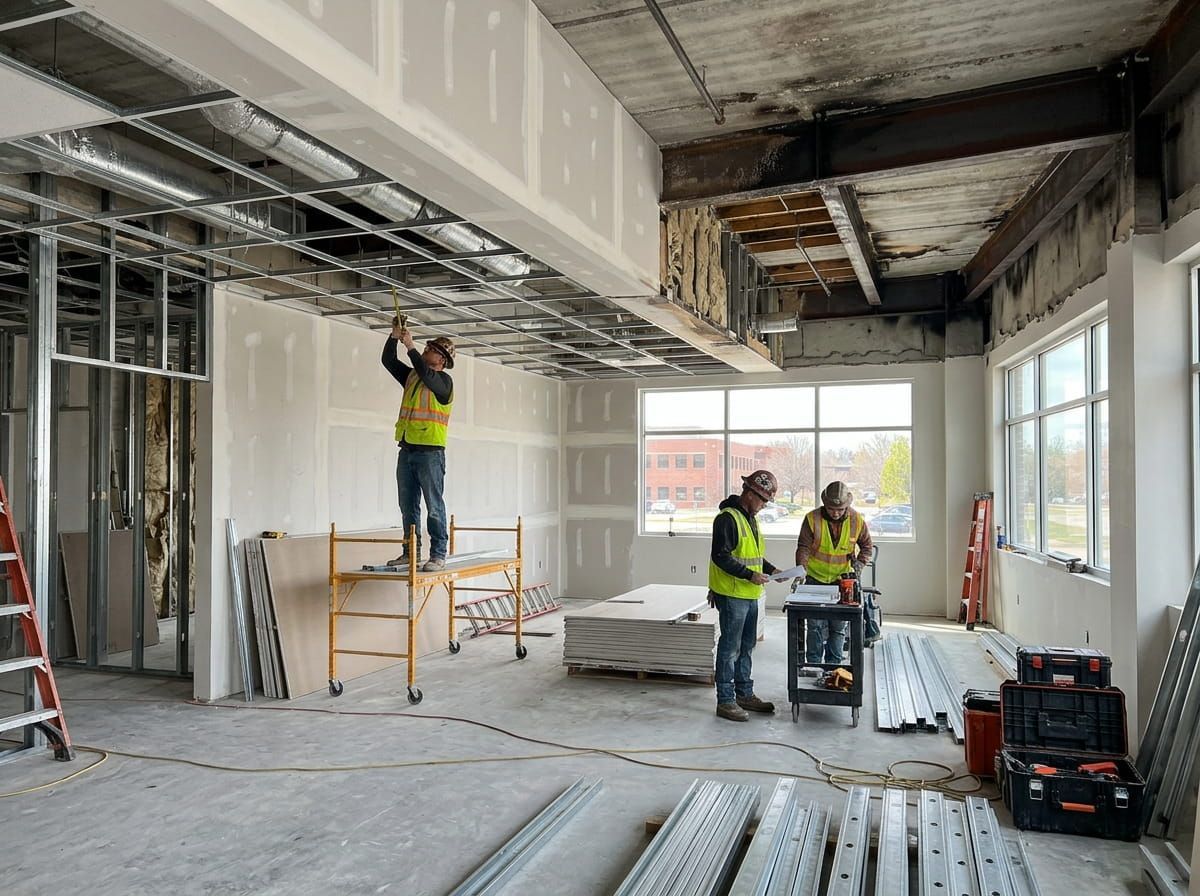
How Can Homeowners Identify Hidden Problems Before Renovating Their Property in Plattsmouth, NE?
Renovating a home is an exciting opportunity to improve comfort, update outdated spaces, and increase property value. However, what looks like a simple renovation project can sometimes reveal unexpected problems behind walls, beneath flooring, or inside older structural components. For homeowners in Plattsmouth, Nebraska, identifying these issues before construction begins can help prevent costly surprises, unnecessary delays, and future repairs.
Understanding how homeowners can identify hidden problems before renovating their property in Plattsmouth, NE starts with a careful property inspection and a realistic renovation plan. Issues such as moisture damage, outdated electrical systems, plumbing leaks, foundation movement, and deteriorating materials may not be immediately visible. Addressing them early helps homeowners make informed decisions about their renovation budgets and construction priorities.
Working with an experienced Residential Construction and Renovation Contractor Plattsmouth NE homeowners can consult for project planning and construction guidance can also make the process more organized. Just Right Construction helps homeowners approach residential improvement projects with practical planning and attention to the condition of their properties.
Why Should Homeowners in Plattsmouth, NE, Inspect Their Properties Before Renovation?
Many homeowners focus on visible improvements when planning a renovation. Fresh paint, modern cabinets, attractive flooring, and updated bathrooms can transform a property, but these cosmetic changes will not solve underlying construction problems.
A thorough assessment helps homeowners understand what needs attention before new materials are installed.
For example, replacing kitchen cabinets without checking for a leaking sink pipe could leave hidden moisture damage untreated. Similarly, installing new flooring over an uneven or damp subfloor may create problems after the renovation is completed.
Homeowners should prioritize an initial assessment because it can help them:
- Identify repairs that should be completed before cosmetic upgrades.
- Prepare a more realistic renovation budget.
- Reduce the risk of construction delays.
- Protect newly installed materials from existing damage.
- Determine whether professional inspections are necessary.
- Establish a sensible order for completing renovation work.
A qualified Residential Construction Contractor Plattsmouth NE property owners can consult may help identify visible concerns and determine which conditions require further investigation by licensed specialists.
1. Check for Foundation and Structural Problems Before Renovating in Plattsmouth, NE
Structural problems deserve attention before any major remodeling project begins. Even small signs of movement can indicate an issue that needs professional evaluation.
Homeowners should examine accessible areas of their properties for warning signs such as cracks in foundation walls, uneven floors, doors that suddenly stick, gaps around window frames, or cracks that continue to widen.
Not every crack indicates serious structural damage. Minor settlement and cosmetic imperfections can occur in many homes. However, several warning signs appearing together deserve closer attention.
What Foundation Warning Signs Should Plattsmouth Homeowners Look For?
Pay attention to the following conditions:
Cracks in foundation walls: Large, widening, or stair-step cracks in masonry may require assessment by a qualified foundation professional.
Uneven floors: Floors that slope noticeably or feel unusually soft may indicate problems with the subfloor, joists, or supporting structure.
Sticking doors and windows: Doors and windows that no longer open or close properly can sometimes indicate structural movement, although ordinary wear and humidity can also contribute.
Sagging ceilings: A visibly sagging ceiling may indicate moisture damage, framing problems, or excessive loads.
Gaps around structural connections: Unexpected separation between walls, ceilings, and other building components should be examined when it appears alongside other signs of movement.
Before removing walls or changing a room's layout, homeowners should establish whether the affected components support the building. A structural engineer or another appropriately qualified professional can assess concerns that go beyond a routine construction inspection.
2. Look for Hidden Water Damage and Moisture Problems in Plattsmouth Homes
Water damage is one of the most important issues to investigate before renovating a property. Moisture can travel behind walls, beneath flooring, and around plumbing fixtures without producing obvious signs immediately.
If the underlying cause remains unresolved, installing new drywall, cabinets, or flooring may only cover the problem temporarily.
How Can Homeowners Detect Moisture Before a Home Renovation?
Start by inspecting areas where water is commonly used or where rainwater may enter the property.
Look for:
- Discoloration on ceilings and walls.
- Peeling paint or bubbling wallpaper.
- Musty odors in basements, bathrooms, or closets.
- Soft or swollen wood near windows and doors.
- Stains underneath sinks and around plumbing connections.
- Damp basement walls or persistent water accumulation.
- Mold-like growth in poorly ventilated areas.
Homeowners should also inspect accessible areas around roof penetrations, exterior doors, windows, and plumbing fixtures.
A moisture meter can help identify suspicious areas, but readings must be interpreted correctly because different building materials have different moisture characteristics. Persistent dampness or suspected mold may require evaluation by a qualified remediation or building professional.
In Plattsmouth, changing weather conditions and seasonal precipitation make it particularly important to understand how water drains around a property. Check gutters, downspouts, and grading to determine whether rainwater is directed away from the foundation.
A reliable Home Renovation Contractor Plattsmouth NE homeowners choose should take visible moisture concerns seriously and recommend appropriate investigation before covering affected areas with new materials.
3. Inspect Electrical Systems Before Starting Home Remodeling in Plattsmouth, NE
Electrical systems are easy to overlook when planning a renovation because most wiring is hidden behind finished walls and ceilings.
However, renovation work may expose outdated wiring, damaged insulation, overloaded circuits, or electrical installations that require professional attention.
Before beginning demolition, homeowners should consider whether the existing electrical system can safely support planned improvements.
Which Electrical Issues Should Be Investigated Before Renovation?
Important warning signs include:
- Frequently tripping circuit breakers.
- Damaged or discolored outlets.
- Loose switches or electrical connections.
- Burning odors near outlets or electrical panels.
- Exposed or deteriorating wiring.
- Insufficient outlets for the intended room layout.
- Electrical installations that may not meet applicable requirements.
Never remove electrical covers, handle exposed wiring, or investigate an electrical panel internally unless qualified to do so.
A licensed electrician should evaluate suspected electrical hazards and determine whether the proposed renovation requires additional circuits, wiring replacement, panel upgrades, or other improvements.
This assessment is especially important during Kitchen Remodeling Plattsmouth NE projects, where homeowners may introduce additional appliances, lighting, and countertop outlets.
Planning electrical work before installing cabinets and wall finishes can reduce the likelihood of reopening completed sections later.
4. Investigate Plumbing Problems Before Bathroom Renovation in Plattsmouth, NE
Plumbing issues can create expensive complications when discovered after a renovation is already underway.
Small leaks behind bathroom walls, corroded supply pipes, deteriorating drain connections, and inadequate drainage may remain unnoticed until fixtures are removed.
Before replacing a bathtub, shower, sink, or toilet, homeowners should evaluate the accessible plumbing components and investigate any history of leaks.
How Can Homeowners Recognize Potential Plumbing Problems?
Watch for these common warning signs:
Low or inconsistent water pressure: This may indicate plumbing restrictions, supply problems, or other issues requiring investigation.
Slow-draining fixtures: Repeated drainage problems may point to blockages or problems with drain lines.
Water stains beneath sinks: Discoloration or swollen cabinet materials may indicate a current or previous leak.
Unusual pipe noises: Banging, rattling, or persistent humming can sometimes indicate plumbing or pressure-related problems.
Unexplained increases in water bills: Higher usage without a clear explanation may justify checking for hidden leaks.
Recurring odors: Persistent sewer-like smells may indicate a drainage, trap, or venting problem.
During Bathroom Renovation Plattsmouth NE projects, inspecting plumbing before installing new fixtures is particularly important. Homeowners should also consider ventilation, waterproofing, and the condition of the materials surrounding showers and tubs.
A licensed plumber can investigate suspected leaks, assess the existing system, and recommend appropriate repairs before the new bathroom finishes are installed.
5. Examine the Roof, Attic, and Ceiling Before Renovating a Property in Plattsmouth, NE
Roofing problems can affect more than the exterior appearance of a house. A damaged roof may allow moisture to enter the attic, weaken wood components, damage insulation, and leave stains on interior ceilings.
These problems can become more expensive if homeowners complete interior renovations without first addressing the source of water intrusion.
What Should Homeowners Inspect in the Roof and Attic?
When access is safe, look for:
- Water stains on attic surfaces or ceilings.
- Damaged or missing roofing materials visible from the ground.
- Daylight entering through unexpected roof openings.
- Wet or compressed insulation.
- Signs of deteriorating roof decking.
- Poor attic ventilation or persistent condensation.
- Water damage around chimneys, vents, and roof penetrations.
Homeowners should avoid walking on roof surfaces or entering unsafe attic spaces. A qualified roofing professional can inspect areas that are difficult or dangerous to access.
Attic ventilation and insulation should also be considered when planning improvements. Inadequate ventilation, air leakage, and moisture movement can contribute to condensation and material deterioration.
If the roof requires repairs, it is generally better to resolve those issues before investing in new ceilings, insulation, or interior finishes.
6. Identify Poor Insulation and Ventilation Before Home Improvement in Plattsmouth, NE
Some hidden problems do not involve visible structural damage. Poor insulation, air leaks, and inadequate ventilation can affect indoor comfort, energy use, and moisture control.
Homeowners may notice that certain rooms remain cold during winter, upstairs spaces become excessively warm, or condensation repeatedly appears on windows.
These symptoms do not automatically identify the underlying cause, but they can indicate areas that deserve closer investigation.
How Can Homeowners Find Insulation and Ventilation Problems?
Consider the following checks:
- Compare temperatures between different rooms.
- Look for noticeable drafts around windows and exterior doors.
- Inspect accessible attic insulation for gaps or damage.
- Check whether bathroom exhaust fans operate properly.
- Look for recurring condensation around windows.
- Examine accessible ductwork for disconnected sections or obvious damage.
- Check whether kitchen and bathroom ventilation systems exhaust appropriately.
An energy assessment may help identify air leakage, insulation deficiencies, or heating and cooling inefficiencies.
During a renovation, improving insulation or replacing windows may be worthwhile, but the correct approach depends on the home's existing construction and moisture conditions.
A knowledgeable Home Improvement Contractor Plattsmouth NE homeowners work with can help coordinate improvement priorities and identify when an energy auditor, HVAC technician, or insulation specialist should be involved.
7. Check for Mold, Damaged Materials, and Indoor Air Quality Concerns Before Renovation
Older materials can conceal problems that become apparent only after demolition begins. Water-damaged drywall, deteriorated wood, contaminated insulation, and mold-like growth may be hidden behind cabinets, flooring, or wall coverings.
Homeowners should take these concerns seriously before beginning work that disturbs existing materials.
Which Materials May Require Additional Testing?
Depending on the property's age and history, professional evaluation may be appropriate for:
Suspected asbestos-containing materials: Some older insulation, flooring, ceiling products, and other building materials may contain asbestos. Testing by an appropriately qualified professional is recommended before disturbing suspected materials.
Potential lead-based paint: Homes built before 1978 in the United States may contain lead-based paint. Renovation that disturbs painted surfaces may require specific lead-safe procedures.
Water-damaged drywall and wood: Materials affected by recurring moisture may need repair or replacement after the underlying cause has been corrected.
Mold-like growth: Visible growth or persistent musty odors can indicate moisture problems that should be investigated and addressed.
Deteriorated insulation: Damaged or contaminated insulation may affect building performance and indoor environmental conditions.
Do not sand, cut, scrape, or demolish materials suspected of containing asbestos or lead-based paint before determining the appropriate safety requirements.
Identifying these issues early allows homeowners to plan for suitable testing, containment, remediation, and disposal procedures rather than discovering them unexpectedly during construction.
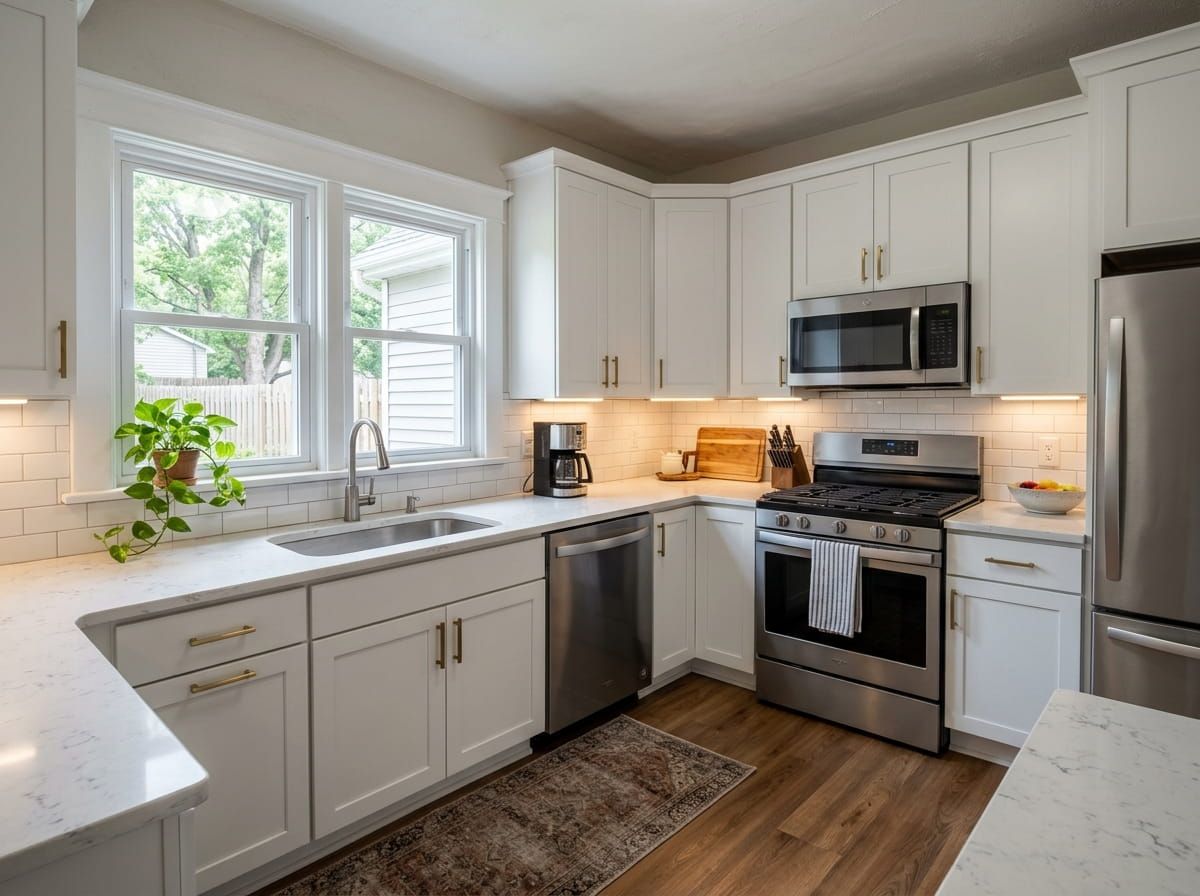
8. Evaluate the Kitchen Layout Before Kitchen Remodeling in Plattsmouth, NE
A kitchen renovation often involves more than replacing cabinets and countertops. Changes to appliance locations, plumbing, electrical connections, flooring, and ventilation can expose hidden problems or introduce new construction requirements.
Before finalizing a design, homeowners should assess the existing kitchen's condition and determine which components can reasonably remain in place.
What Should Homeowners Review Before Remodeling a Kitchen?
Start by evaluating the following areas:
Cabinet and countertop support: Look for signs of water damage, loose fittings, or deteriorating materials beneath sinks and around countertops.
Floor condition: Check for noticeable slopes, soft areas, or damage around dishwashers and refrigerators.
Appliance connections: Confirm that the electrical, plumbing, and ventilation arrangements suit the planned appliances.
Wall and ceiling condition: Investigate stains, cracks, or damaged surfaces before covering them with new finishes.
Available storage and movement: Consider whether the planned layout provides practical storage, adequate workspace, and comfortable access.
Ventilation: Determine whether cooking fumes and moisture can be properly exhausted or managed.
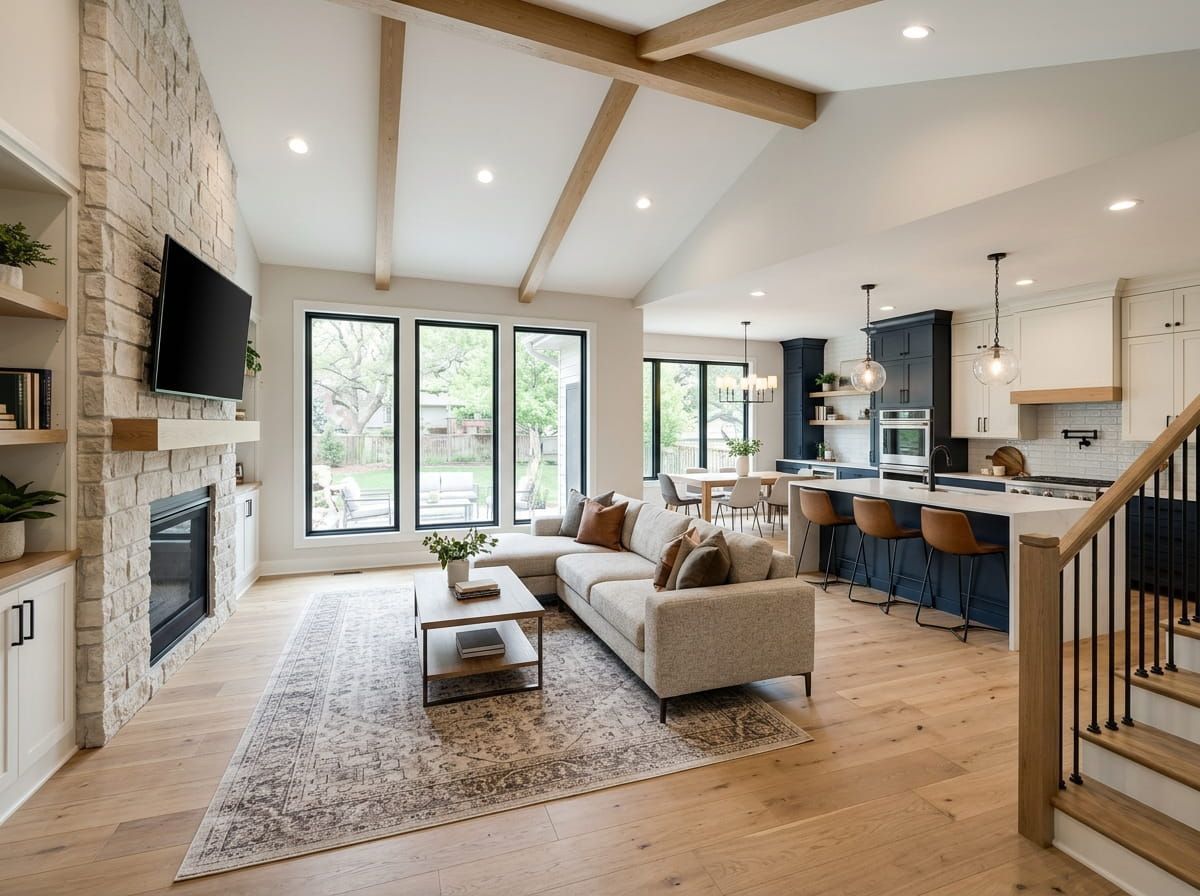
Effective Home Remodeling Plattsmouth NE planning means addressing the condition of the existing space before choosing finishes and fixtures.
If a renovation includes moving walls, relocating plumbing, or changing electrical circuits, homeowners should obtain the necessary professional assessments and permits before the work begins.
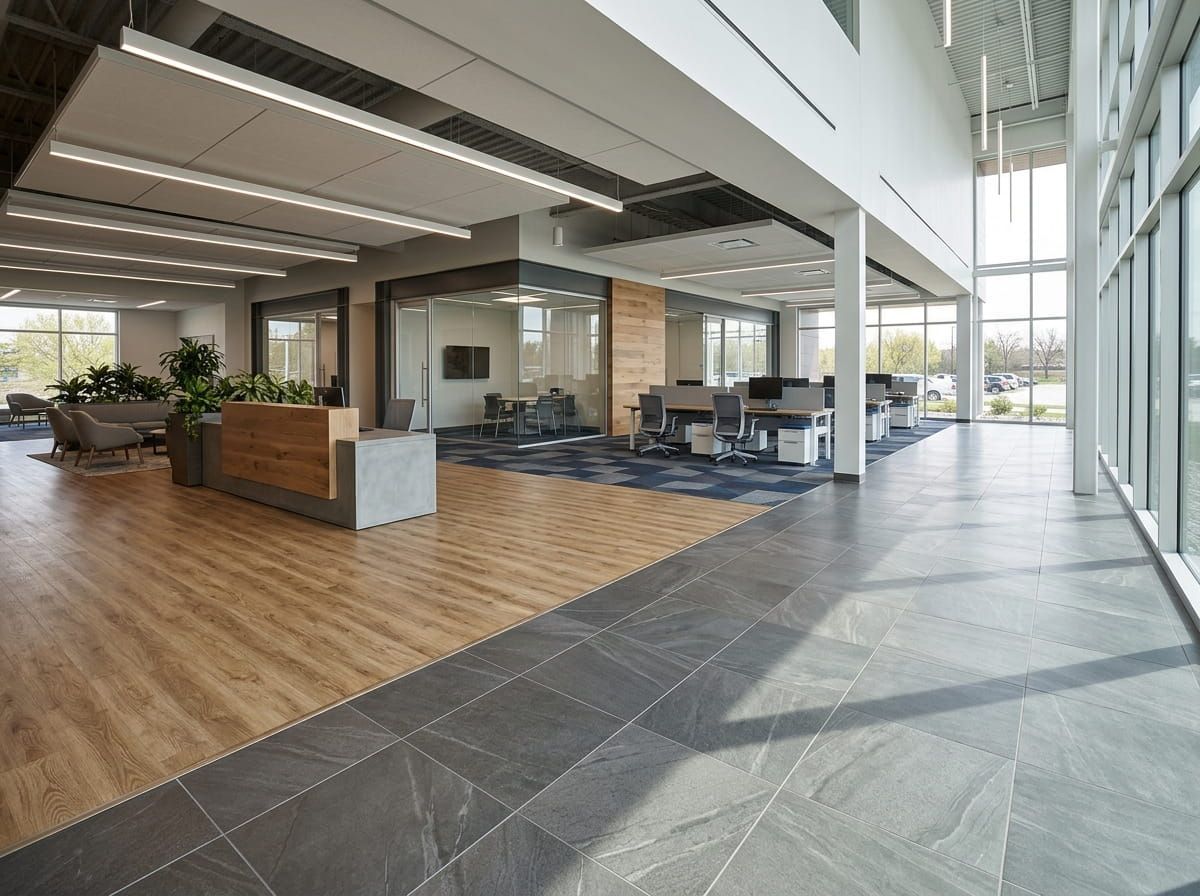
9. Assess Flooring, Subfloors, and Interior Finishes Before Renovation in Plattsmouth, NE
New flooring can dramatically change the appearance of a room, but the condition beneath the finished surface matters just as much.
Installing attractive flooring over a damaged or unstable subfloor may lead to movement, squeaking, uneven surfaces, or premature material failure.
What Flooring Problems Should Be Checked Before Construction?
Homeowners should look for:
- Soft or spongy areas underfoot.
- Noticeable changes in floor height.
- Persistent squeaking or movement.
- Loose, cracked, or lifting tiles.
- Swelling near bathrooms, kitchens, and exterior doors.
- Signs of moisture beneath existing flooring.
- Gaps or separation between flooring materials.
Some issues result from ordinary wear, while others may indicate water damage, subfloor deterioration, or structural concerns.
During Residential Remodeling Services Plattsmouth NE projects, contractors should evaluate the existing floor assembly before recommending replacement materials.
The assessment may reveal a need for subfloor repairs, moisture control, leveling, or other preparatory work. Completing these steps before installing new flooring helps establish a more stable foundation for the finished surface.
10. Review Exterior Drainage, Windows, and Siding Before Renovating in Plattsmouth, NE
A home's exterior protects the interior from rain, wind, temperature changes, and other environmental conditions.
If water enters through damaged siding, poorly sealed windows, or inadequate drainage, interior renovation work may not last as expected.
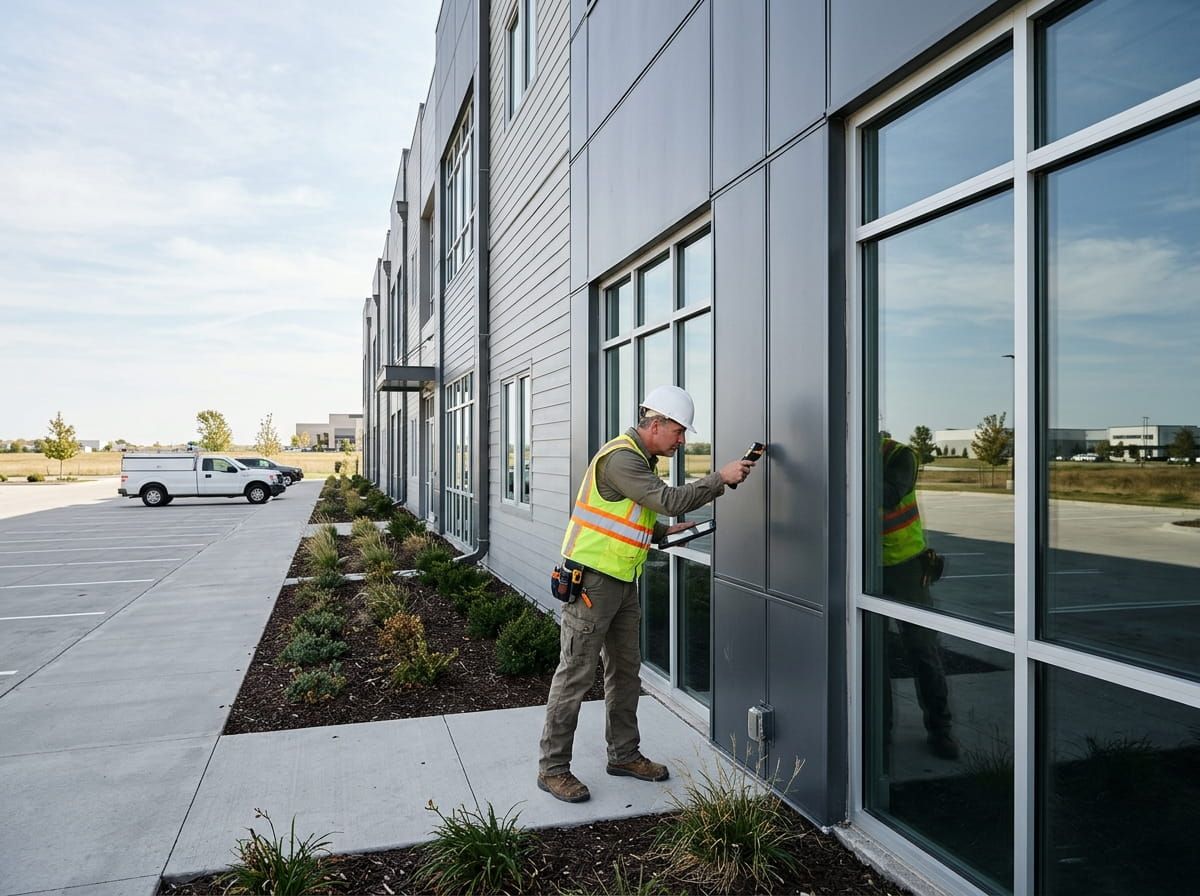
Before investing in interior improvements, homeowners should examine the exterior building envelope for conditions that could allow moisture to enter.
Which Exterior Problems Can Affect a Home Renovation?
Look for:
- Deteriorated caulking around windows and doors.
- Loose or damaged siding.
- Water stains beneath windows.
- Deteriorating exterior trim.
- Gutters that overflow during rainfall.
- Downspouts that discharge water near the foundation.
- Soil that slopes toward the house.
- Damaged seals around exterior penetrations.
Homeowners should also consider whether nearby trees, landscaping, or drainage features contribute to water accumulation around the property.
Correcting these conditions before replacing interior finishes can help protect the renovation investment.
A qualified construction professional can help coordinate exterior repairs with other planned work, while roofing, drainage, or foundation specialists can investigate issues that require specialized knowledge.
11. Create a Home Renovation Planning Checklist Before Construction in Plattsmouth, NE
Discovering hidden problems is only the first step. Homeowners also need a practical plan for deciding which issues to address, how much to budget, and when to begin construction.
Thoughtful Home Renovation Planning helps establish priorities and reduces the likelihood of making expensive decisions under pressure.
What Should a Pre-Renovation Checklist Include?
Step 1: Document the existing condition.
Take photographs of visible cracks, stains, damaged flooring, outdated fixtures, and other areas of concern. Keep notes about recurring leaks, unusual odors, and previous repairs.
Step 2: Arrange appropriate inspections.
Consult qualified professionals when you suspect structural, electrical, plumbing, roofing, or environmental problems. Different concerns may require different specialists.
Step 3: Identify urgent repairs.
Address safety hazards, active water leaks, significant structural concerns, and other serious problems before focusing on cosmetic improvements.
Step 4: Establish a realistic budget.
Include labor, materials, inspections, permit fees, disposal, and possible repairs to concealed components. Set aside a contingency allowance based on the property's condition and the project's uncertainty.
Step 5: Decide on the renovation scope.
Determine whether the project involves cosmetic updates, individual room remodeling, structural changes, or broader residential improvements.
Step 6: Confirm permits and applicable requirements.
Ask the appropriate local authorities and qualified professionals which permits, inspections, and building-code requirements apply to the planned work.
Step 7: Establish the construction sequence.
Coordinate necessary repairs and specialist work before insulation, drywall, cabinets, flooring, and decorative finishes are installed.
Step 8: Document project decisions.
Keep written estimates, agreed project specifications, schedules, warranties, and records of approved changes.
Following these steps gives homeowners a clearer understanding of the work required and helps them make informed choices before construction begins.
12. How Just Right Construction Can Help Homeowners Plan Renovation Projects in Plattsmouth, NE
Choosing the right construction professional can help homeowners organize their renovation goals and understand the condition of their property before committing to major improvements.
Just Right Construction serves as a point of contact for homeowners exploring residential construction and renovation needs. Before hiring a contractor, property owners should discuss their project scope, inspection needs, scheduling expectations, budget, and any concerns about existing building conditions.
A consultation can help establish which parts of the property need further evaluation and which improvements should be prioritized.
What Should Homeowners Ask a Residential Construction Contractor in Plattsmouth, NE?
Before moving forward, consider asking these questions:
- What parts of the property should be inspected before construction?
- Which visible problems could affect the proposed renovation?
- Will structural, plumbing, electrical, or roofing specialists be needed?
- What work is included in the estimate?
- Which expenses could change if hidden damage is discovered?
- Are permits or additional inspections required?
- How will unexpected problems be documented and approved?
- What is the expected sequence of construction activities?
Homeowners should verify the contractor's experience, references, insurance, licensing requirements where applicable, and written project terms before signing an agreement.
For projects involving structural changes or potentially hazardous materials, obtain the necessary professional assessments before demolition begins.
By identifying concerns early and planning repairs in the correct order, homeowners can approach their renovation with greater confidence and a clearer understanding of their investment.
Frequently Asked Questions About Finding Hidden Problems Before Renovating a Home in Plattsmouth, NE
1. How Can Homeowners Identify Hidden Problems Before Renovating Their Property in Plattsmouth, NE?
Homeowners can begin by checking for cracks, uneven floors, water stains, musty odors, plumbing leaks, damaged roofing, and electrical warning signs. A professional property assessment can help identify visible concerns and determine whether specialized inspections or testing are necessary.
2. Should I Get a Home Inspection Before Starting a Renovation in Plattsmouth, NE?
A professional inspection can be valuable, particularly for older properties, homes with a history of water damage, or projects involving structural changes. A standard home inspection may not cover every concealed component, so additional specialists may be needed depending on the renovation.
3. What Hidden Problems Can Increase Home Renovation Costs?
Common examples include water damage, deteriorated subfloors, outdated wiring, plumbing leaks, foundation concerns, roof damage, and hazardous materials. The actual cost depends on the extent of the problem, the materials involved, and the work needed to correct it.
4. How Much Money Should I Set Aside for Unexpected Renovation Repairs?
There is no universal amount that suits every property. Homeowners often consider a contingency allowance of approximately 10% to 20% of the planned renovation budget, with a larger reserve potentially appropriate for older homes or projects with substantial uncertainty.
5. Can I Renovate My Kitchen Without Replacing the Existing Plumbing?
Yes, if the existing plumbing is suitable for the planned layout, is in acceptable condition, and meets applicable requirements. However, leaks, corrosion, inadequate drainage, or changes to fixture locations may make plumbing work necessary.
6. Why Should I Check for Moisture Before Installing New Flooring?
Moisture can damage flooring materials, weaken certain subfloors, and contribute to mold growth. Identifying and correcting the moisture source before installation helps reduce the risk of premature damage.
7. Do I Need a Permit for Home Remodeling in Plattsmouth, NE?
Permit requirements depend on the project scope and applicable local regulations. Cosmetic work may be treated differently from structural changes, electrical alterations, plumbing work, or additions. Contact the relevant local building authority before starting construction.
8. What Should I Do if Hidden Damage Appears During Renovation?
Ask the contractor to pause the affected work when necessary, document the discovery, and investigate the cause. Obtain specialist assessments where appropriate, review the repair options and costs, and approve changes in writing before proceeding.
9. Can an Old House Be Renovated if It Has Foundation Cracks?
Possibly, but the cracks should be evaluated before major renovation work proceeds. Their size, location, pattern, and progression can help determine whether they are cosmetic or associated with a more significant structural concern.
10. When Should I Contact Just Right Construction About a Renovation Project?
Contact Just Right Construction when you are planning residential improvements and want to discuss the project's scope, construction priorities, and next steps. If you suspect serious structural damage, an active electrical hazard, hazardous materials, or another specialized problem, consult the appropriate qualified professional as well.
Plan a More Informed Home Renovation in Plattsmouth, NE
A successful renovation begins with understanding what is already happening inside and outside your home. Hidden water damage, structural concerns, plumbing issues, electrical deficiencies, and deteriorating materials can affect the cost, safety, and durability of planned improvements.
Taking time to investigate these concerns before construction starts helps homeowners prioritize necessary repairs, develop a realistic budget, and avoid covering up problems that could return later.
Whether you are planning a kitchen update, a bathroom renovation, new flooring, or a larger residential improvement project, careful preparation is an important part of protecting your investment.
For homeowners exploring residential construction and renovation services in Plattsmouth, Nebraska, Just Right Construction can be contacted to discuss project requirements and determine appropriate next steps.
Business Name: Just Right Construction
Phone: +1 402-671-3094
Service Location: Plattsmouth, NE, and surrounding areas, subject to service availability.